


UK horse racing is a cherished sport, rich with history and tradition, attracting millions of fans, bettors, and participants alike. However, the industry is often subject to disruptions that can halt races and affect many stakeholders. Whether it’s adverse weather conditions, public health concerns, or national events, the question arises: what happens when UK horse racing is not on? In this article, we will delve into the various factors that can lead to cancellations or postponements, and how organizations like UK horse racing not on GamStop EquiFACS are stepping up to support the industry during such times.
Mục Lục
- 1 1. The Importance of UK Horse Racing
- 2 2. Factors Leading to Racing Disruptions
- 3 2.1 Weather Conditions
- 4 2.2 Public Health Emergencies
- 5 2.3 Economic Factors
- 6 2.4 National Events and Holidays
- 7 3. The Ripple Effect of Cancellations
- 8 3.1 Economic Impact
- 9 3.2 Impact on Horses and Training
- 10 3.3 Fan Engagement and Loyalty
- 11 4. The Industry’s Response to Disruptions
- 12 4.1 Adapting Schedules
- 13 4.2 Enhanced Safety Measures
- 14 4.3 Leveraging Technology
- 15 5. Looking Forward: The Future of UK Horse Racing
- 16 5.1 Strengthening Community Engagement
- 17 5.2 Expanding Global Reach
- 18 5.3 Sustainability Focus
- 19 Conclusion
1. The Importance of UK Horse Racing
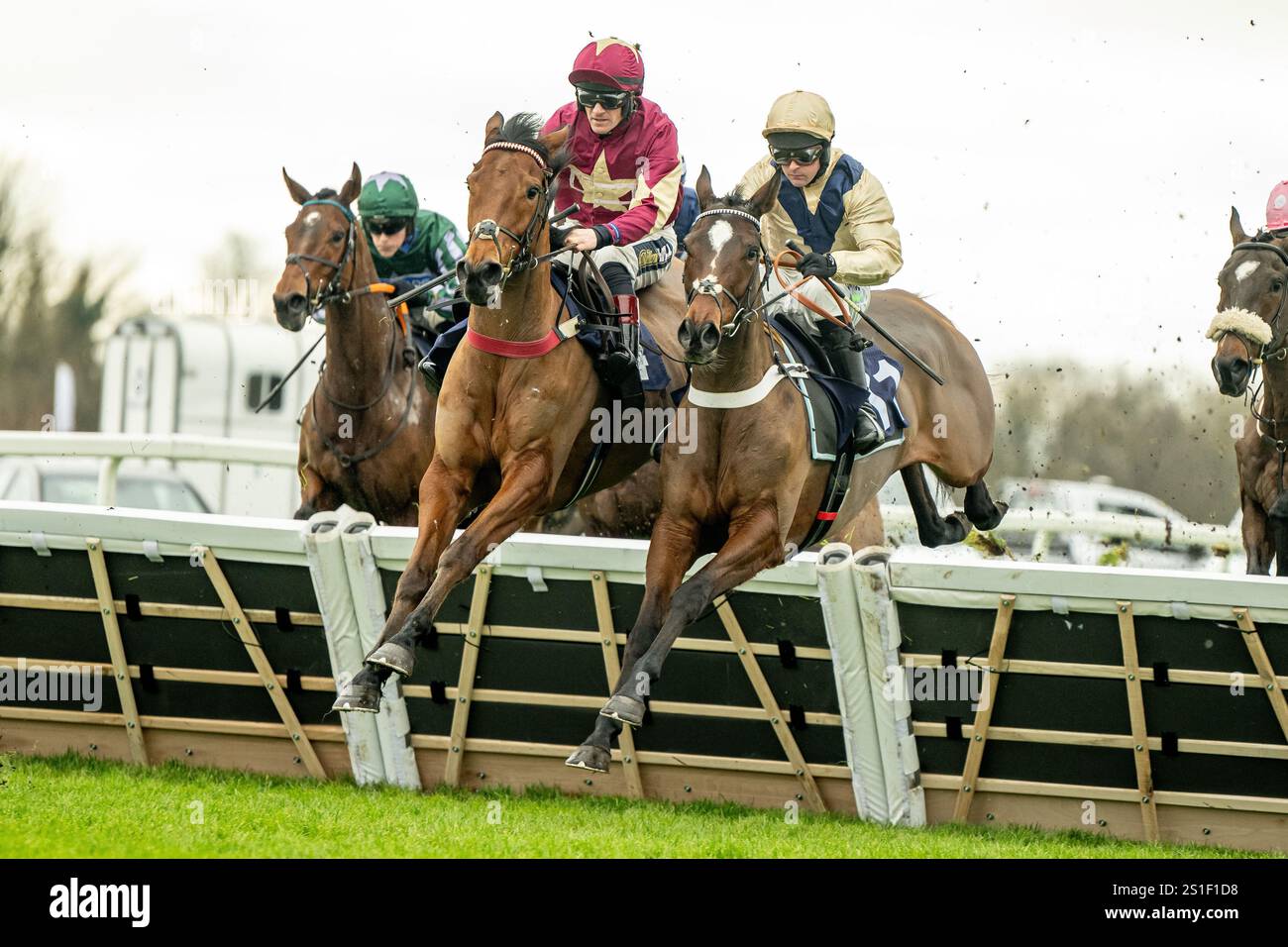
Horse racing is one of the oldest and most popular sports in the UK. With a legacy that stretches back over centuries, it plays a vital role in the culture and economy of the nation. Major races like the Grand National and Royal Ascot draw in massive crowds and generate significant revenue through betting and tourism.
2. Factors Leading to Racing Disruptions
There are several factors that can lead to cancellations or postponements in UK horse racing:
2.1 Weather Conditions
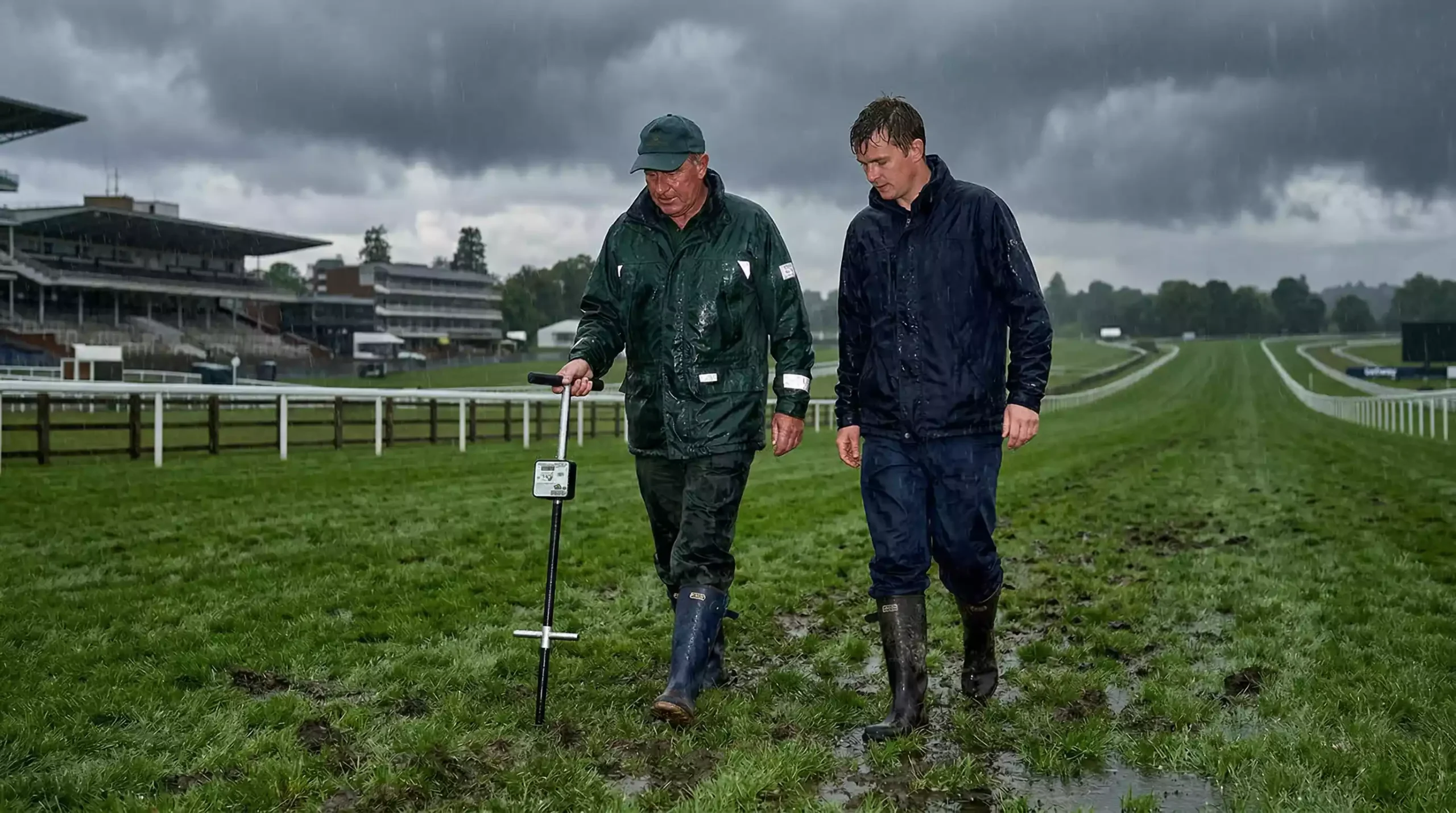
Weather is a major disruptor in horse racing. Heavy rain, snow, or extreme heat can make tracks unsafe for both horses and jockeys. Racecourses must prioritize safety, leading to cancellations when weather conditions are deemed unfavorable.
2.2 Public Health Emergencies
The COVID-19 pandemic exposed the fragility of the racing calendar. Lockdowns and public health restrictions led to the complete suspension of races in early 2020, profoundly impacting the entire industry. Although the situation has improved, health concerns can still lead to abrupt cancellations.
2.3 Economic Factors
Economic downturns can also affect horse racing. With reduced disposable income, fewer people may attend races or place bets, forcing organizers to reevaluate scheduled events. Financial instability in the industry can lead to tougher choices and cancellations.
2.4 National Events and Holidays
Major national events, such as royal celebrations or even significant political events, can impact racing schedules. During such times, authorities may decide to suspend races to ensure public safety, manage security, and allow the public to participate in or observe the events.
3. The Ripple Effect of Cancellations
When racing is not on, the ramifications extend beyond just a single event. These disruptions can affect multiple facets of the industry:
3.1 Economic Impact
Cancellations lead to significant financial losses for racecourses, trainers, and staff. The economic model of horse racing relies heavily on betting revenues and gate receipts. A day without races translates to lost income that can severely affect the livelihoods of those involved.
3.2 Impact on Horses and Training
Horses are not just athletes; they require rigorous training and competition to stay fit and competitive. Disruptions in racing schedules can slow down horses’ preparation, which may lead to longer recovery times or impact their performance in future races.
3.3 Fan Engagement and Loyalty
Fans of horse racing are exceedingly passionate. When races are canceled or postponed, it can impact fan engagement. Enthusiasts may feel disconnected from the sport, leading to a potential decline in participation and interest in future events.
4. The Industry’s Response to Disruptions
In response to these challenges, the UK horse racing industry has shown remarkable resilience. Various stakeholders are constantly working to implement strategies that mitigate the impact of disruptions:
4.1 Adapting Schedules
Racecourses have begun to adapt their schedules proactively. In anticipation of bad weather or other emergencies, they may create contingency plans, moving races to alternate locations or rescheduling events when possible.
4.2 Enhanced Safety Measures
Improved safety measures are essential in ensuring that racing can continue whenever possible. This includes better track management, equipment upgrades, and adherence to strict health protocols to prevent public health crises from affecting racing.
4.3 Leveraging Technology
With technology playing a pivotal role in most industries, horse racing is no exception. Online betting platforms and virtual racing have gained traction, allowing fans to engage even when live races are not possible.
5. Looking Forward: The Future of UK Horse Racing
As we reflect on the impact of disruptions on UK horse racing, it’s crucial to understand that while challenges exist, the industry is poised for recovery and innovation. Future planning must consider the lessons learned from past events:
5.1 Strengthening Community Engagement
Fostering community involvement and developing programs to engage with fans will be vital in restoring and enhancing loyalty in the sport. Whenever racing is not on, creating virtual connections can help maintain interest.
5.2 Expanding Global Reach
As the world becomes more interconnected, UK horse racing can explore international markets. Promoting races abroad can give new audiences an opportunity to engage, thereby increasing revenue streams and fan bases.
5.3 Sustainability Focus
Adopting sustainable practices will help ensure the longevity of the sport. Whether it’s through eco-friendly practices at racecourses or community outreach programs promoting horse welfare, sustainability can attract a more conscientious audience.
Conclusion
UK horse racing is an emblem of tradition and passion, yet it faces frequent challenges that can halt its rich activities. While cancellations and disruptions are unavoidable at times, the industry’s response, adaptation, and commitment to resilience showcase its strength and continuity. By looking ahead and embracing new strategies, UK horse racing can not only recover but also thrive in the face of uncertainty.


